
 By affirmations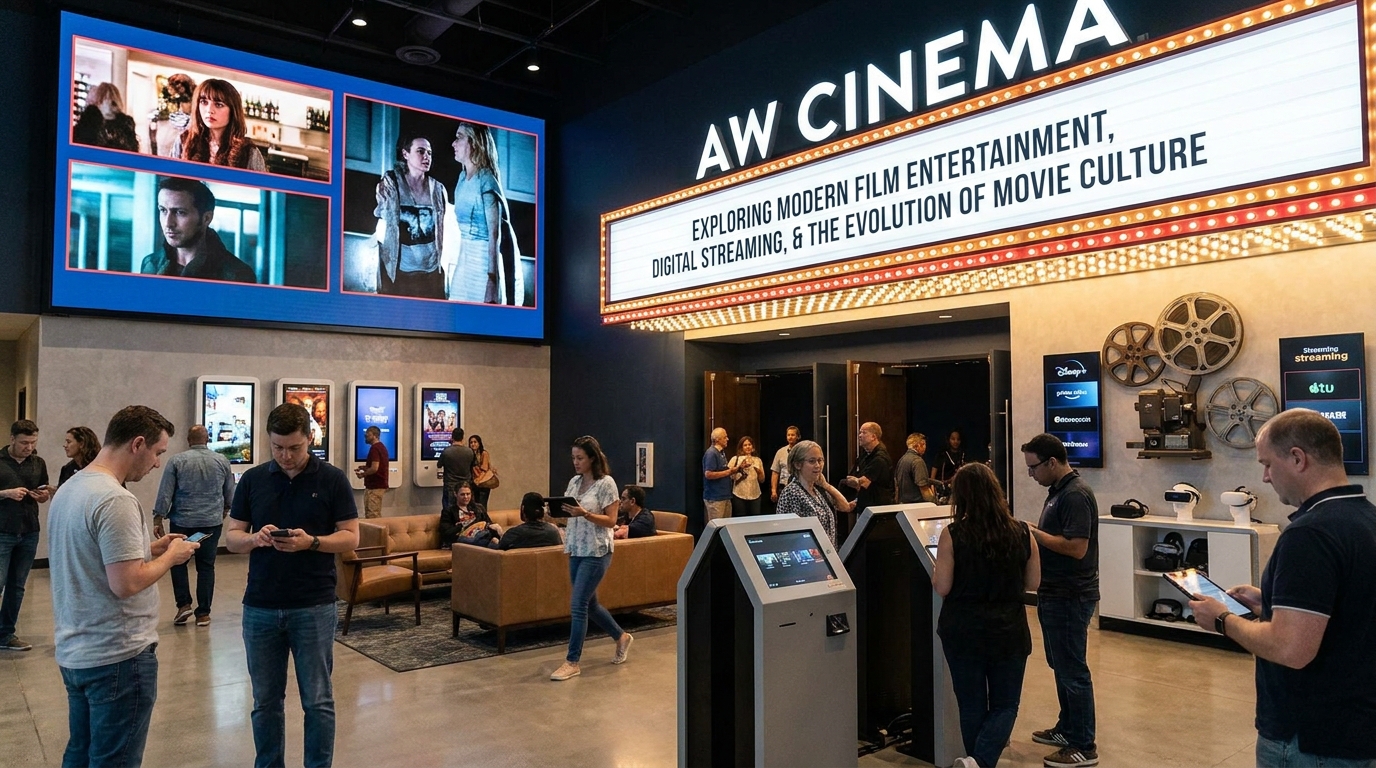
AW Cinema represents the modern transformation of film entertainment, digital viewing experiences, and the evolving culture of global cinema. The film industry has changed dramatically over the past century, moving from traditional theaters and physical media to highly connected digital streaming ecosystems that allow audiences to access content anytime and anywhere.
Cinema today is not only a form of entertainment but also a powerful medium for storytelling, cultural expression, artistic creativity, and technological innovation. AW Cinema symbolizes this evolving landscape where filmmaking, streaming technology, audience interaction, and global media distribution merge into a modern entertainment experience.
As digital platforms continue reshaping how audiences consume movies and television content, cinema culture is becoming more accessible, personalized, and globally connected than ever before.
The Evolution of Cinema
Cinema has undergone significant transformation since the early days of silent films and black-and-white motion pictures. Early filmmaking focused on simple storytelling techniques and limited technical capabilities.
Over time, technological advancements introduced synchronized sound, color film, special effects, digital editing, and computer-generated imagery. These innovations expanded the creative possibilities of filmmaking and changed audience expectations.
AW Cinema reflects the progression of film from traditional theatrical presentations to modern multimedia entertainment ecosystems.
The Rise of Digital Streaming
Digital streaming has revolutionized how audiences access and enjoy film content. Streaming platforms allow viewers to watch movies and television shows instantly without relying on physical media or scheduled broadcasts.
This convenience has changed viewing habits significantly, giving users more control over what they watch and when they watch it.
AW Cinema symbolizes the growing influence of digital streaming technologies in modern entertainment culture.
Global Accessibility of Film Content
One of the most important developments in modern cinema is the global accessibility of film content. Streaming services and digital distribution platforms allow movies from different countries and cultures to reach international audiences.
This global exchange has increased cultural diversity in entertainment and introduced viewers to a wider range of storytelling styles and cinematic traditions.
AW Cinema reflects the internationalization of modern film culture and digital media distribution.
The Role of Technology in Filmmaking
Technology continues transforming every stage of film production. Modern filmmakers use advanced cameras, digital editing software, motion capture systems, and visual effects technologies to create immersive cinematic experiences.
Artificial intelligence and virtual production tools are also beginning to influence script analysis, editing workflows, and visual design processes.
AW Cinema symbolizes the integration of advanced technology into creative filmmaking and digital entertainment.
Visual Effects and Immersive Storytelling
Visual effects have become an essential part of modern cinema. Computer-generated imagery allows filmmakers to create realistic environments, fantasy worlds, and large-scale action sequences that would otherwise be impossible.
These technologies enhance storytelling by expanding creative possibilities and audience immersion.
AW Cinema reflects the importance of visual innovation in contemporary film production.
Streaming Platforms and Content Diversity
Streaming platforms have increased opportunities for diverse storytelling by supporting independent filmmakers, international productions, and niche genres.
Unlike traditional studio systems that often prioritized mainstream commercial projects, digital platforms provide space for experimental and culturally specific content.
AW Cinema symbolizes the growing diversity and accessibility of modern film entertainment.
Audience Behavior and On-Demand Viewing
Audience viewing habits have changed significantly due to on-demand streaming services. Viewers now expect immediate access to entertainment across multiple devices including smartphones, tablets, and smart televisions.
Binge-watching culture has also become a defining feature of digital entertainment consumption.
AW Cinema reflects these shifts in audience behavior and media accessibility.
The Social Impact of Cinema
Cinema has always influenced society by shaping cultural conversations, reflecting social issues, and inspiring emotional engagement.
Films can raise awareness about political, historical, and ethical topics while also serving as sources of inspiration and artistic expression.
AW Cinema represents the enduring social and cultural impact of film as a storytelling medium.
Independent Filmmaking and Creative Freedom
Digital technology has lowered barriers for independent filmmakers, allowing creators to produce and distribute films without relying entirely on major studios.
Affordable production tools and online distribution channels have increased creative freedom and expanded opportunities for emerging talent.
AW Cinema symbolizes the democratization of filmmaking in the digital era.
Sound Design and Cinematic Experience
Sound design is a critical component of modern cinema. Music, dialogue, ambient sound, and audio effects contribute significantly to emotional engagement and storytelling depth.
Advanced audio technologies such as surround sound and immersive audio systems enhance the viewing experience both in theaters and at home.
AW Cinema reflects the importance of sound innovation in contemporary entertainment.
The Future of Movie Theaters
Although streaming platforms continue growing, movie theaters remain important cultural and social spaces. Cinemas offer large-screen experiences, immersive sound systems, and communal viewing environments that cannot be fully replicated at home.
Many theaters are adapting by offering luxury seating, enhanced projection systems, and interactive entertainment experiences.
AW Cinema symbolizes the balance between traditional cinema culture and digital innovation.
Virtual Reality and Interactive Entertainment
Virtual reality and interactive storytelling technologies are expanding the boundaries of cinematic experiences. Viewers can now participate in immersive environments where they influence narrative outcomes and engage directly with digital worlds.
These technologies blur the line between gaming and cinema.
AW Cinema reflects the future potential of interactive and immersive entertainment systems.
Artificial Intelligence in Film Production
Artificial intelligence is beginning to influence various aspects of film production and distribution. AI systems can assist with editing, audience analytics, recommendation algorithms, and even script generation.
Streaming platforms use machine learning to personalize content recommendations based on viewer preferences.
AW Cinema symbolizes the integration of intelligent systems into modern entertainment industries.
Challenges Facing the Film Industry
Despite technological progress, the film industry faces several challenges including piracy, market competition, production costs, and changing audience expectations.
Balancing artistic creativity with commercial profitability remains a major concern for filmmakers and studios.
AW Cinema highlights the need for adaptability and innovation in a rapidly evolving entertainment environment.
Diversity and Representation in Cinema
Modern audiences increasingly value diversity and authentic representation in film and television. The industry has responded by supporting broader inclusion in casting, storytelling, and production leadership.
Diverse narratives help reflect global experiences and cultural perspectives.
AW Cinema symbolizes the importance of inclusivity and representation in contemporary media.
Environmental Sustainability in Film Production
Film production can have significant environmental impact due to energy consumption, travel, and material use. Sustainable filmmaking practices are becoming more important in the entertainment industry.
Studios are adopting energy-efficient technologies, digital workflows, and environmentally responsible production methods.
AW Cinema reflects the growing focus on sustainability in modern media production.
Education and Film Studies
Cinema also plays an important educational role. Film studies programs explore storytelling techniques, visual language, cultural analysis, and media theory.
Movies are frequently used as educational tools to discuss history, psychology, literature, and social issues.
AW Cinema symbolizes the intellectual and artistic value of cinema beyond entertainment.
Future Trends in Cinema and Entertainment
The future of cinema will likely involve greater integration of artificial intelligence, immersive technologies, and personalized content systems.
Streaming services may continue expanding globally while interactive storytelling and virtual production technologies reshape filmmaking processes.
AW Cinema reflects this future-oriented vision of connected and technologically advanced entertainment ecosystems.
Conclusion
AW Cinema represents the ongoing evolution of film entertainment, digital streaming, and cinematic innovation in the modern world. It reflects how technology, creativity, and global connectivity continue transforming the way audiences experience movies and storytelling.
From visual effects and streaming platforms to immersive virtual reality systems and artificial intelligence, cinema is becoming increasingly interactive, accessible, and diverse.
As the entertainment industry continues evolving, AW Cinema symbolizes the future of storytelling where artistic creativity and technological advancement combine to create richer and more engaging cinematic experiences for global audiences.