
 By affirmations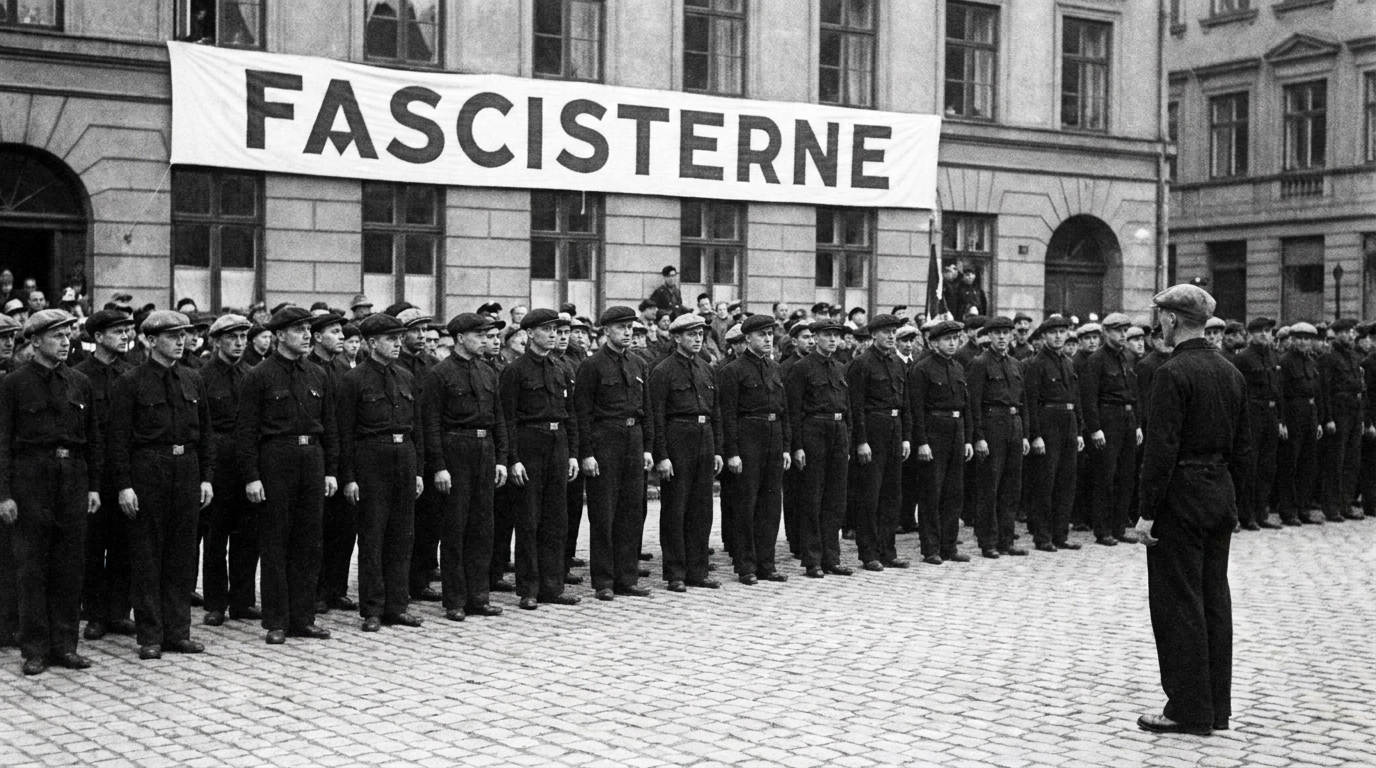
The term “Fascisterne” is commonly used in Danish to refer to “the fascists,” describing individuals and movements associated with fascist ideology that emerged in Europe during the early twentieth century. Fascism is a political ideology characterized by authoritarian leadership, strong nationalism, suppression of opposition, and the belief in centralized control over society. Understanding fascisterne requires examining both the historical origins of fascism and its impact on European societies, particularly during the interwar period and World War II.
Fascist movements have played a significant and controversial role in modern history. While they rose to power in several countries during moments of political instability, they are now widely studied as examples of authoritarian systems that led to widespread human rights abuses, war, and social destruction. Exploring fascisterne today is primarily a historical and analytical exercise aimed at understanding how such movements developed, why they gained support, and how societies responded to them.
The Origins of Fascist Ideology
Fascism emerged in the early twentieth century, primarily in Europe, as a response to political instability, economic crisis, and social unrest following World War I. Many countries faced high unemployment, inflation, and weakened democratic institutions. In this environment, extremist political movements gained traction by promising order, national revival, and strong leadership.
The ideology of fascism emphasizes the importance of the nation or state above individual rights. It rejects liberal democracy, socialism, and communism, instead promoting a centralized authority led by a powerful leader. Fascist movements often relied on propaganda, mass mobilization, and control of media to shape public opinion.
Italy under Benito Mussolini is considered the birthplace of modern fascism. Mussolini’s regime established a dictatorship that promoted nationalism, militarism, and state control over many aspects of life. This model later influenced similar movements in other countries, including Germany, Spain, and smaller fascist groups across Europe.
Fascisterne in the European Context
The term fascisterne is often used broadly to describe individuals and groups that supported fascist ideology across Europe. These movements varied from country to country but shared common themes such as authoritarian rule, strong nationalist identity, and opposition to political pluralism.
In Germany, National Socialism under Adolf Hitler shared similarities with Italian fascism but also included its own extreme racial ideology. The Nazi regime implemented totalitarian control, expanded militarization, and carried out systematic persecution of millions of people, including Jews, political opponents, disabled individuals, and other minority groups.
In Spain, Francisco Franco’s regime also reflected fascist influences, although it developed its own distinct political structure. Across Europe, smaller fascist parties emerged during the 1920s and 1930s, often gaining temporary support during periods of economic hardship.
Fascisterne in general represented a broader wave of authoritarian movements that challenged democratic governments and contributed to political polarization across the continent.
Fascisterne in Denmark
In Denmark, fascist ideology never achieved the same level of power as it did in countries like Italy or Germany. However, there were still small political groups and individuals who identified with or supported fascist ideas. One of the most notable organizations was the Danmarks Nationalsocialistiske Arbejderparti (DNSAP), which was influenced by German National Socialism.
The DNSAP attempted to gain political influence during the 1930s and World War II period. Although it remained a minor political force, it became more visible during the German occupation of Denmark from 1940 to 1945. During this time, some Danish collaborators supported or aligned themselves with Nazi Germany’s policies.
Despite these activities, the vast majority of the Danish population did not support fascist ideology. The resistance movement in Denmark grew significantly during the occupation, and many citizens actively opposed German control through various forms of resistance, including underground newspapers, sabotage, and assistance to Jewish citizens escaping persecution.
After the war, fascist groups in Denmark lost almost all political influence, and their activities became widely rejected by society.
Core Characteristics of Fascist Movements
Although fascist groups varied across countries, they generally shared several defining characteristics. One of the most important features was authoritarian leadership. Fascist regimes were typically led by a single dominant figure who held extensive political power and limited democratic freedoms.
Nationalism was another central element. Fascist movements often promoted the idea that the nation or ethnic group was superior and needed to be strengthened through unity and discipline. This nationalism was frequently combined with militarism, emphasizing the importance of military strength and readiness for conflict.
Control of information and propaganda also played a key role. Fascist regimes used media, education systems, and cultural institutions to shape public perception and suppress opposition. Political dissent was often banned, and critics of the regime faced imprisonment or worse.
Another characteristic was the rejection of democratic institutions. Fascisterne and similar movements viewed parliamentary systems as weak and ineffective, preferring centralized decision-making instead.
These features contributed to the consolidation of power in fascist states but also led to widespread human rights violations.
The Rise and Fall of Fascist Movements
The rise of fascist movements in Europe was closely linked to economic instability and political uncertainty. After World War I, many societies struggled to recover from devastation and loss. Fascist leaders exploited these conditions by offering promises of stability, national pride, and economic recovery.
In several countries, fascist parties gained support through mass rallies, propaganda campaigns, and appeals to national identity. However, their rise often came at the expense of democratic institutions and civil liberties.
The decline of fascism began during World War II, particularly after the defeat of Axis powers in 1945. As Allied forces liberated occupied territories, fascist regimes collapsed, and many of their leaders were arrested, tried, or removed from power.
In the post-war period, fascist ideology became widely discredited due to its association with war crimes, genocide, and authoritarian repression. European nations strengthened democratic systems and introduced legal measures to prevent the resurgence of extremist movements.
Fascisterne and World War II
World War II marked the most significant period in which fascist regimes reached their peak influence. Countries led by fascist or fascist-aligned governments played central roles in the conflict. The war resulted in massive destruction, loss of life, and long-term geopolitical changes.
In occupied countries, fascist collaborators sometimes worked with German forces, either for ideological reasons or political survival. These collaborations remain highly controversial and are studied extensively in historical research.
The war also exposed the extreme consequences of fascist policies, particularly in relation to human rights abuses and systematic persecution. After the war ended, international efforts were made to establish human rights protections and prevent similar ideologies from gaining power again.
Post-War Legacy and Modern Understanding
Today, fascism is widely regarded as a dangerous and destructive political ideology. The study of fascisterne in historical and academic contexts focuses on understanding how such movements arise and how societies can protect democratic values.
Many countries have implemented laws against extremist organizations and hate-based political movements. Education systems also emphasize the importance of learning about fascist history to ensure that future generations understand the consequences of authoritarian rule.
In Denmark and across Europe, fascist ideology remains socially and politically rejected by mainstream society. However, historians continue to study these movements to understand their origins and impact.
Why Studying Fascisterne Matters Today
Studying fascisterne is important because it helps explain how political systems can change under pressure and how democratic institutions can be weakened. It also highlights the importance of civic engagement, freedom of expression, and respect for human rights.
Understanding history allows societies to recognize warning signs of authoritarianism and respond before such systems take hold. It also supports the development of more resilient political systems that protect individual freedoms.
The history of fascist movements serves as a reminder of the consequences of extremism and the importance of maintaining open, democratic societies.
Conclusion
Fascisterne, as a term referring to fascist movements and individuals, represents a complex and important part of European history. Emerging during a time of crisis, fascist ideology spread across several countries and influenced political systems in profound ways. While it gained power in some regions, it ultimately led to widespread conflict, suffering, and long-term global change.
In Denmark and much of Europe today, fascist ideology is viewed critically and studied primarily for educational and historical purposes. By understanding the origins, development, and consequences of fascisterne, societies can better appreciate the value of democracy, human rights, and political stability.
The legacy of fascist movements continues to serve as a powerful historical lesson on the importance of safeguarding freedom and preventing authoritarian systems from emerging again.