
 By affirmations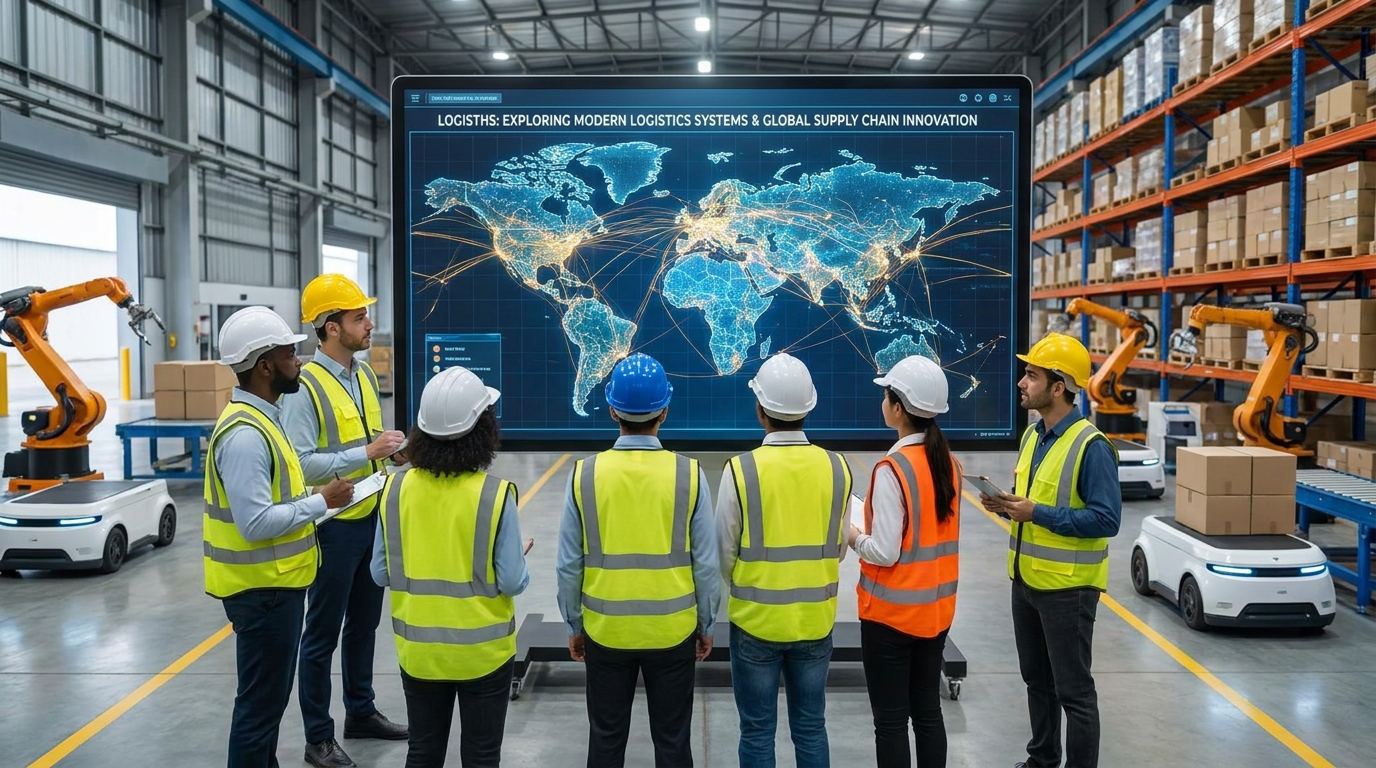
Logisths is a term closely connected to logistics, supply chain management, transportation systems, and the movement of goods across local and international markets. In today’s highly interconnected economy, logistics has become one of the most important industries supporting global trade, e-commerce, manufacturing, and business operations. The concept of Logisths represents the evolving world of intelligent logistics systems designed to improve efficiency, reduce costs, and ensure smooth product delivery.
Modern logistics is no longer limited to transporting goods from one location to another. It now includes advanced technologies, automated systems, digital tracking, inventory management, and strategic planning that work together to optimize supply chain performance.
Understanding the Meaning of Logisths
Logisths can be understood as a broader representation of logistics operations and supply chain coordination. It reflects how businesses manage the storage, transportation, and distribution of products in a highly organized and efficient manner.
The logistics sector plays a crucial role in ensuring that raw materials, finished products, and essential goods reach their destinations on time. Without effective logistics systems, industries such as retail, healthcare, manufacturing, and e-commerce would struggle to function properly.
Logisths symbolizes the modern transformation of logistics into a technology-driven and globally connected industry.
The Evolution of Logistics Systems
Logistics has evolved significantly throughout history. Early trade routes relied on manual transportation methods such as carts, ships, and animal-driven systems. As industrialization expanded, railways, trucks, airplanes, and shipping networks revolutionized transportation.
Today, logistics systems are powered by digital platforms, automation, and real-time data analytics. Businesses can track shipments instantly, optimize delivery routes, and manage inventory with advanced software systems.
Logisths reflects this transition from traditional transportation methods to intelligent supply chain networks supported by modern technology.
The Importance of Supply Chain Management
Supply chain management is one of the most critical components of modern logistics. It involves coordinating suppliers, manufacturers, warehouses, transportation providers, and retailers to ensure efficient product flow.
A strong supply chain improves operational efficiency, reduces delays, and lowers overall business costs. Companies that effectively manage their supply chains are often more competitive in global markets.
Logisths represents this integrated approach where every stage of product movement is carefully planned and monitored.
Technology and Digital Transformation in Logistics
Technology has completely transformed the logistics industry. Advanced software systems now help companies monitor shipments, predict demand, and optimize transportation routes.
Artificial intelligence and machine learning are increasingly used to analyze data and improve operational efficiency. These systems can identify potential disruptions, forecast inventory needs, and automate repetitive tasks.
Cloud computing also allows businesses to access logistics information from anywhere in the world, improving communication and coordination across supply chains.
Logisths reflects this digital transformation where technology drives smarter and faster logistics operations.
E-Commerce and the Growth of Logistics Demand
The rapid growth of e-commerce has significantly increased the importance of logistics services. Online shopping requires efficient delivery systems capable of handling large volumes of orders quickly and accurately.
Consumers now expect fast shipping, real-time tracking, and reliable delivery services. To meet these expectations, logistics companies are investing in automated warehouses, route optimization systems, and advanced distribution centers.
Logisths symbolizes the logistics innovation required to support the expanding global e-commerce industry.
Transportation Networks and Global Trade
Transportation is a central component of logistics systems. Goods are moved through road networks, railways, shipping routes, and air transportation depending on delivery requirements and distances.
Global trade depends heavily on efficient transportation infrastructure. Ports, airports, highways, and rail systems all contribute to international supply chain connectivity.
Logisths reflects the complexity of modern transportation systems that support the movement of goods across global markets.
Warehouse Management and Inventory Control
Warehousing is another essential aspect of logistics operations. Modern warehouses are designed to store products safely while ensuring quick access and efficient inventory management.
Automated warehouse systems use robotics, barcode scanning, and digital tracking technologies to improve accuracy and reduce labor costs. Inventory management software helps businesses maintain optimal stock levels and avoid shortages or overstock situations.
Logisths represents the integration of intelligent warehouse systems into broader supply chain operations.
Artificial Intelligence in Logistics
Artificial intelligence is becoming increasingly important in logistics management. AI-powered systems can analyze large amounts of data to improve forecasting, route planning, and inventory optimization.
Machine learning algorithms help businesses predict customer demand and identify potential disruptions before they occur. AI also supports automated customer service and shipment tracking systems.
Logisths reflects the growing role of artificial intelligence in creating more efficient and responsive logistics networks.
Sustainability and Green Logistics
Environmental sustainability has become a major concern within the logistics industry. Transportation and supply chain activities contribute significantly to carbon emissions and fuel consumption.
Green logistics focuses on reducing environmental impact through fuel-efficient vehicles, renewable energy solutions, and optimized delivery routes. Many companies are also investing in electric delivery vehicles and eco-friendly packaging materials.
Logisths represents the movement toward more sustainable logistics systems that balance efficiency with environmental responsibility.
Challenges Facing the Logistics Industry
Despite technological advancements, the logistics industry faces several challenges. Supply chain disruptions, fuel price fluctuations, labor shortages, and geopolitical instability can impact operations.
Natural disasters and global crises such as pandemics can also disrupt transportation networks and product availability. Businesses must develop flexible strategies to manage these risks effectively.
Logisths highlights the importance of adaptability and resilience in maintaining stable logistics operations during uncertain conditions.
Automation and Robotics in Warehousing
Automation is rapidly changing warehouse operations and logistics management. Robotics systems can sort packages, move inventory, and assist with order fulfillment more efficiently than traditional manual methods.
Automated guided vehicles and robotic arms improve speed and accuracy while reducing operational costs. These technologies are especially important in high-demand environments such as e-commerce fulfillment centers.
Logisths reflects the increasing use of robotics and automation in modern logistics infrastructure.
Data Analytics and Predictive Logistics
Data analytics has become a valuable tool for logistics companies. By analyzing historical and real-time data, businesses can improve decision-making and optimize operations.
Predictive logistics uses data to forecast demand patterns, identify delays, and improve inventory planning. This helps companies reduce waste and improve customer satisfaction.
Logisths symbolizes the shift toward data-driven logistics systems where information plays a central role in operational success.
The Role of Human Expertise in Logistics
Although automation and technology are transforming logistics, human expertise remains essential. Logistics professionals manage planning, customer relationships, strategic decisions, and problem-solving in complex situations.
Skilled managers and operators ensure that supply chain systems function efficiently and adapt to changing conditions.
Logisths reflects the balance between technological innovation and human experience within modern logistics operations.
Future Trends in Logistics and Supply Chains
The future of logistics is expected to become even more advanced with technologies such as autonomous vehicles, drone deliveries, blockchain systems, and smart transportation networks.
Blockchain may improve transparency and security in supply chain transactions, while autonomous delivery systems could increase efficiency and reduce costs.
Artificial intelligence and predictive analytics will continue enhancing decision-making and operational planning.
Logisths represents this future-focused vision of intelligent and fully connected logistics systems.
Conclusion
Logisths represents the modern evolution of logistics and supply chain management in a technology-driven global economy. From transportation and warehousing to artificial intelligence and sustainability, logistics systems are becoming more advanced, efficient, and interconnected.
As global trade and e-commerce continue to expand, the importance of reliable logistics infrastructure will only increase. Businesses that embrace innovation, automation, and strategic planning will be better positioned for long-term success.
The concept of Logisths highlights how logistics has transformed from simple transportation into a complex and intelligent network that supports the foundation of modern commerce and global connectivity.