
 By affirmations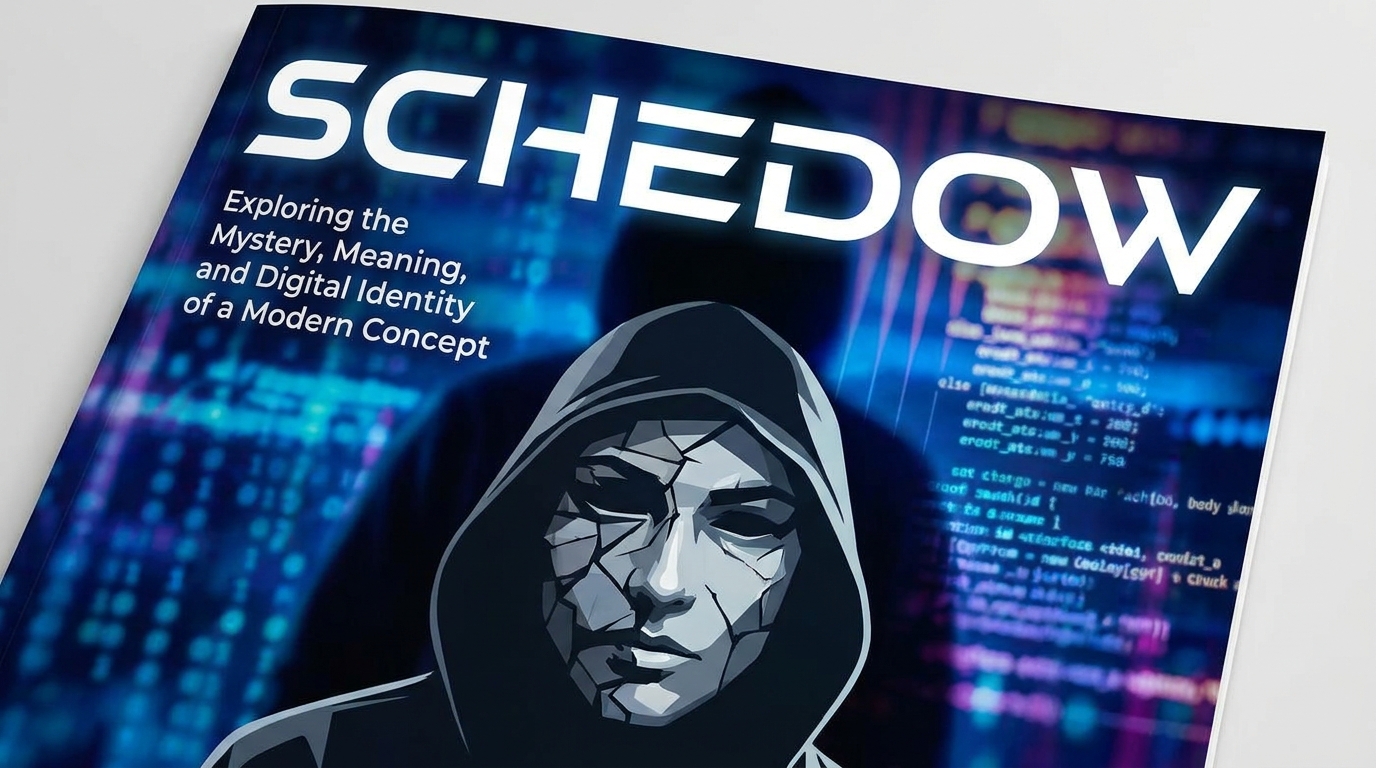
In the rapidly evolving digital landscape, new names and terms emerge constantly, often carrying layers of curiosity, creativity, and branding potential. One such intriguing term is “Schedow.” While at first glance it may appear abstract or unfamiliar, Schedow reflects the modern internet trend of unique, stylized identities that can represent anything from a brand to a digital platform, creative project, or conceptual idea.
What makes Schedow particularly interesting is its ambiguity. It does not immediately point to a fixed definition, which allows it to exist as a flexible digital identity. In a world where originality is highly valued, names like Schedow stand out because they invite interpretation, imagination, and exploration.
This article takes a deep look into the possible meanings of Schedow, its branding potential, its relevance in digital culture, and why such abstract terms are becoming increasingly popular in the online world.
The Modern Appeal of the Name Schedow
Schedow has a distinctive sound that blends familiarity with mystery. It resembles words like “shadow,” yet maintains a unique spelling that sets it apart. This balance between familiarity and originality is one of the key reasons why such names attract attention in digital spaces.
In branding and creative identity design, names that feel slightly familiar but visually unique often perform well. They are easier to remember while still standing out in search results and social media feeds. Schedow fits this pattern naturally, making it suitable for a wide range of modern uses.
The appeal of Schedow lies not only in how it sounds but also in what it suggests. It carries an atmospheric tone that could be associated with technology, creativity, mystery, or even storytelling.
Schedow in the Context of Digital Branding
In today’s online world, branding is no longer limited to traditional companies. Individuals, creators, developers, and communities all require unique identities to stand out in crowded digital environments.
Schedow represents the type of name that could easily function as a modern brand. Its structure is short, memorable, and visually balanced, which are all important qualities for digital identity.
Modern branding trends often favor abstract or invented names because they offer flexibility. Instead of limiting a brand to a specific meaning, abstract names allow the identity to evolve over time.
Schedow could represent a variety of concepts, such as a software platform, a creative studio, a gaming identity, a tech startup, or even a digital art collective. This versatility is one of its strongest advantages in the modern digital economy.
The Psychological Impact of Abstract Names
Human psychology plays a significant role in how we perceive names like Schedow. People are naturally drawn to patterns, sounds, and meanings that feel slightly familiar but not fully defined.
Schedow creates a sense of curiosity because it resembles a known word but does not fully match any existing term. This creates a cognitive gap that the brain tries to fill, encouraging engagement and memory retention.
Names that trigger curiosity often perform better in digital environments because they encourage people to search, ask questions, and explore further. This is especially valuable in marketing, branding, and content creation.
Schedow’s slightly mysterious tone also adds emotional depth. It feels atmospheric, modern, and somewhat futuristic, which aligns well with current trends in technology and creative industries.
The Rise of Unique Digital Identities
The internet has fundamentally changed how identities are created and expressed. In earlier decades, names were often descriptive and functional. Today, however, uniqueness and availability are far more important.
With millions of websites, apps, and social media accounts being created, finding a simple and available name has become increasingly difficult. As a result, invented or stylized names like Schedow have become more common.
These names are not constrained by existing language rules. Instead, they are designed for flexibility, branding potential, and global recognition.
Schedow fits perfectly into this trend because it feels modern, adaptable, and globally usable. It does not belong to a specific language or culture, which makes it suitable for international digital identity.
Schedow as a Creative Concept
Beyond branding, Schedow can also be interpreted as a creative concept. Its resemblance to the word “shadow” gives it a naturally artistic and symbolic quality.
In storytelling or world-building, Schedow could represent a mysterious force, a hidden world, or a digital dimension. It could be used in fantasy narratives, science fiction environments, or psychological themes exploring identity and perception.
Creative industries often rely on names that evoke emotion rather than direct meaning. Schedow has the kind of tone that could easily fit into novels, games, films, or visual art projects.
Its ambiguity allows creators to shape its meaning based on context, making it a powerful storytelling element.
The Role of Mystery in Modern Internet Culture
Mystery plays a powerful role in digital engagement. Online users are constantly exposed to large amounts of information, so anything that feels unclear or intriguing naturally stands out.
Schedow benefits from this dynamic because it does not immediately explain itself. Instead, it invites interpretation.
This type of ambiguity often leads to increased engagement, discussions, and speculation. People may attempt to define it, search for its origin, or imagine possible meanings.
In many cases, mystery-driven names become more recognizable over time simply because they generate curiosity loops within online communities.
Schedow and Technology Aesthetics
The aesthetic quality of Schedow also makes it suitable for technology-related branding. Many modern tech companies choose names that feel sleek, futuristic, and slightly abstract.
Schedow carries a soft futuristic tone that could easily fit into industries such as software development, artificial intelligence, cybersecurity, or digital design.
In technology branding, emotional tone is often just as important as meaning. A name like Schedow can communicate innovation, depth, and sophistication without needing explanation.
This is why many successful tech brands use invented or stylized words rather than descriptive terms.
Social Media and the Spread of Unique Terms
Social media platforms play a major role in shaping how new words and identities gain popularity. A term like Schedow could easily spread through usernames, hashtags, creative content, or community discussions.
Once a name starts appearing repeatedly in digital spaces, it begins to gain recognition even without a formal definition.
This phenomenon is common in internet culture, where language evolves rapidly through user interaction rather than traditional linguistic development.
Schedow has the type of structure that works well for usernames, brand handles, and online identities, which increases its potential for widespread adoption.
The Importance of Flexibility in Modern Naming
One of the most valuable aspects of a name like Schedow is its flexibility. In the digital age, flexibility allows a name to grow alongside its purpose.
A rigid or overly descriptive name can limit future expansion, while an abstract name can evolve freely across industries and ideas.
Schedow does not confine itself to one meaning or industry. It can represent technology, art, entertainment, lifestyle branding, or even personal identity.
This adaptability is a key reason why modern naming strategies increasingly favor abstract words.
Emotional Tone and Brand Perception
Even without a defined meaning, names carry emotional weight. Schedow has a calm, slightly mysterious, and modern tone that can influence how people perceive it.
Emotional tone plays a major role in branding because it shapes first impressions. A name that feels smooth, memorable, and intriguing is more likely to leave a lasting impact.
Schedow evokes curiosity without being aggressive or overly complex. This makes it suitable for audiences that value creativity, innovation, and aesthetic appeal.
The Future Potential of Schedow
As digital culture continues to expand, names like Schedow have significant potential for future development. Whether used as a brand, a creative identity, or a conceptual project, its flexibility gives it long-term relevance.
Schedow could evolve into a recognized digital platform, a creative studio, a gaming universe, or even a lifestyle brand. Its strength lies in its openness, allowing meaning to be built over time rather than defined from the beginning.
In the modern internet ecosystem, many successful identities begin as abstract names that gain meaning through use and community engagement.
Schedow fits this model perfectly, making it a strong candidate for future digital expansion.
Conclusion
Schedow represents the evolving nature of digital identity in the modern world. It is a name that does not rely on fixed meaning but instead draws strength from curiosity, flexibility, and creative interpretation.
In an era where branding, technology, and online culture are constantly evolving, abstract names like Schedow play an increasingly important role. They offer freedom, adaptability, and emotional resonance while remaining open to endless possibilities.
Whether viewed as a brand concept, a creative idea, or a symbolic identity, Schedow reflects the power of modern naming in shaping how we interact with digital spaces.
As internet culture continues to grow, names like Schedow will likely become even more common, representing innovation, imagination, and the limitless potential of online creativity.